
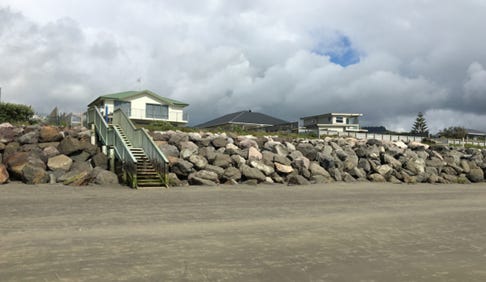
When I visited Waihi Beach on New Zealand’s Bay of Plenty coast recently, one thing stood out: the fairly sharp erosion right next to the seawall that was built to protect the homes behind it.
This kind of erosion (‘end effects’) is a common side-effect of seawalls. While they can protect the land directly behind them, they often change the way waves and sand move along the beach. The result is that erosion may simply shift further along the coast, instead of disappearing altogether.
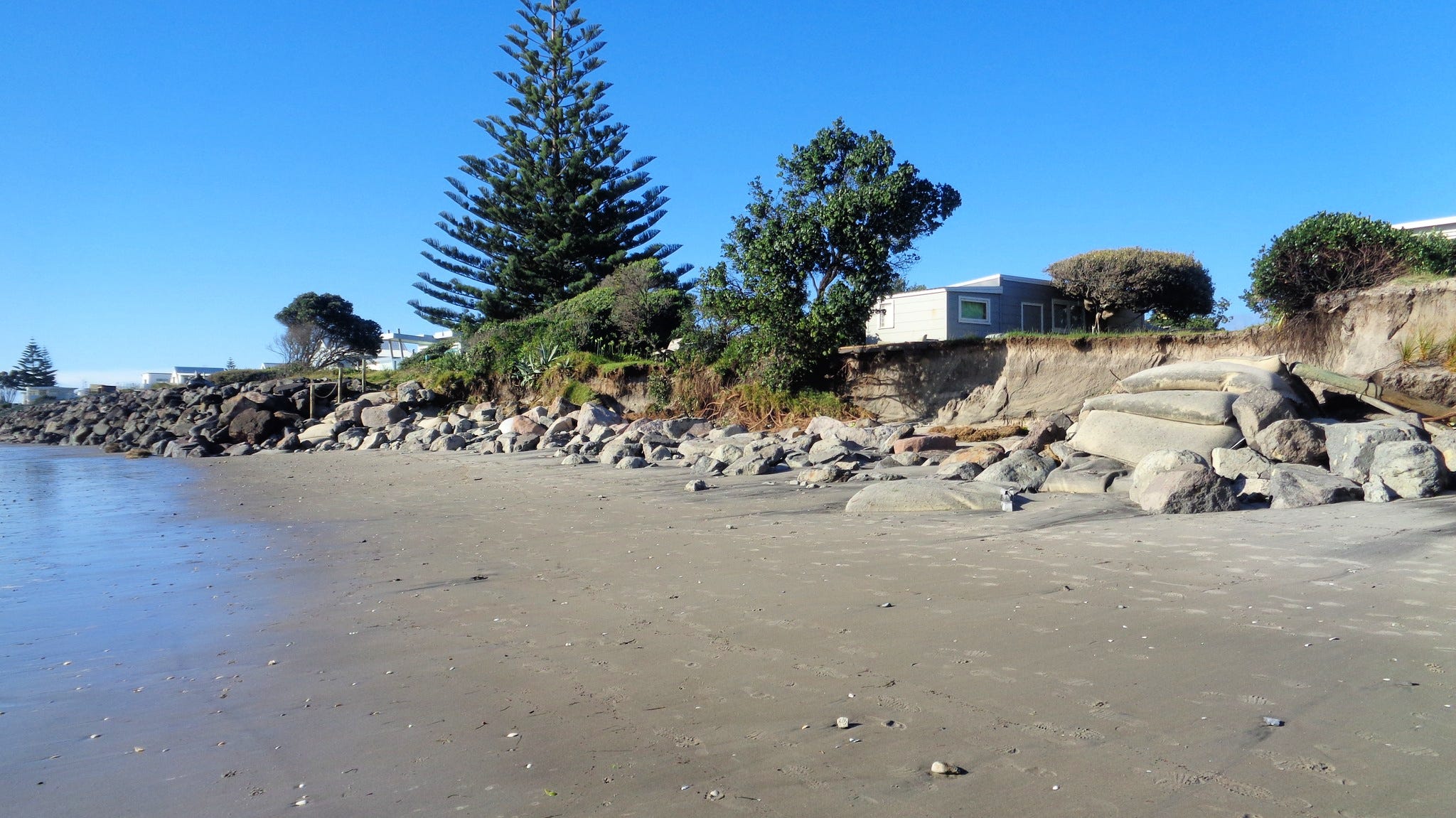
Seawalls can work in the short term — and they often feel like the most straightforward solution when coastal property is at risk from erosion. But over the long term, they raise questions about sustainability. Do they protect the beach as well as the houses? What happens to the parts of the shoreline that aren’t walled off?
Waihi Beach is already showing a slow trend of erosion based on long-term data. A seawall is just one piece of that story, but it highlights the challenge of protecting property along New Zealand’s coastline without losing the very beach we’re trying to live beside.
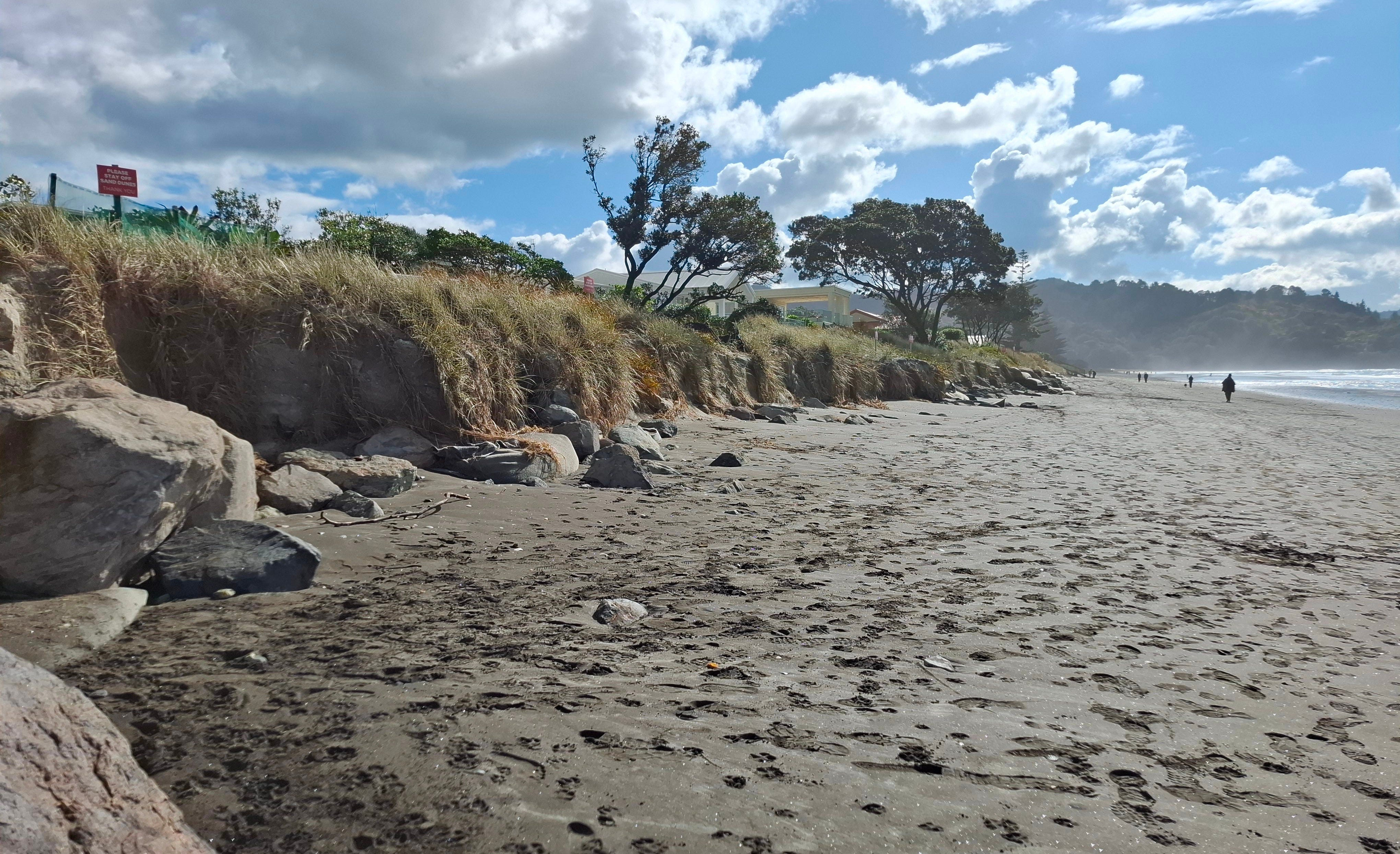
I’d love to hear from those who’ve lived at Waihi Beach (or other New Zealand beaches) longer than I have — does this match what you’ve seen over the years? Have you noticed the changes in sand levels, erosion, or how the shoreline has shifted?
— Peter de Ruiter, Coastal Scientist & Consultant