
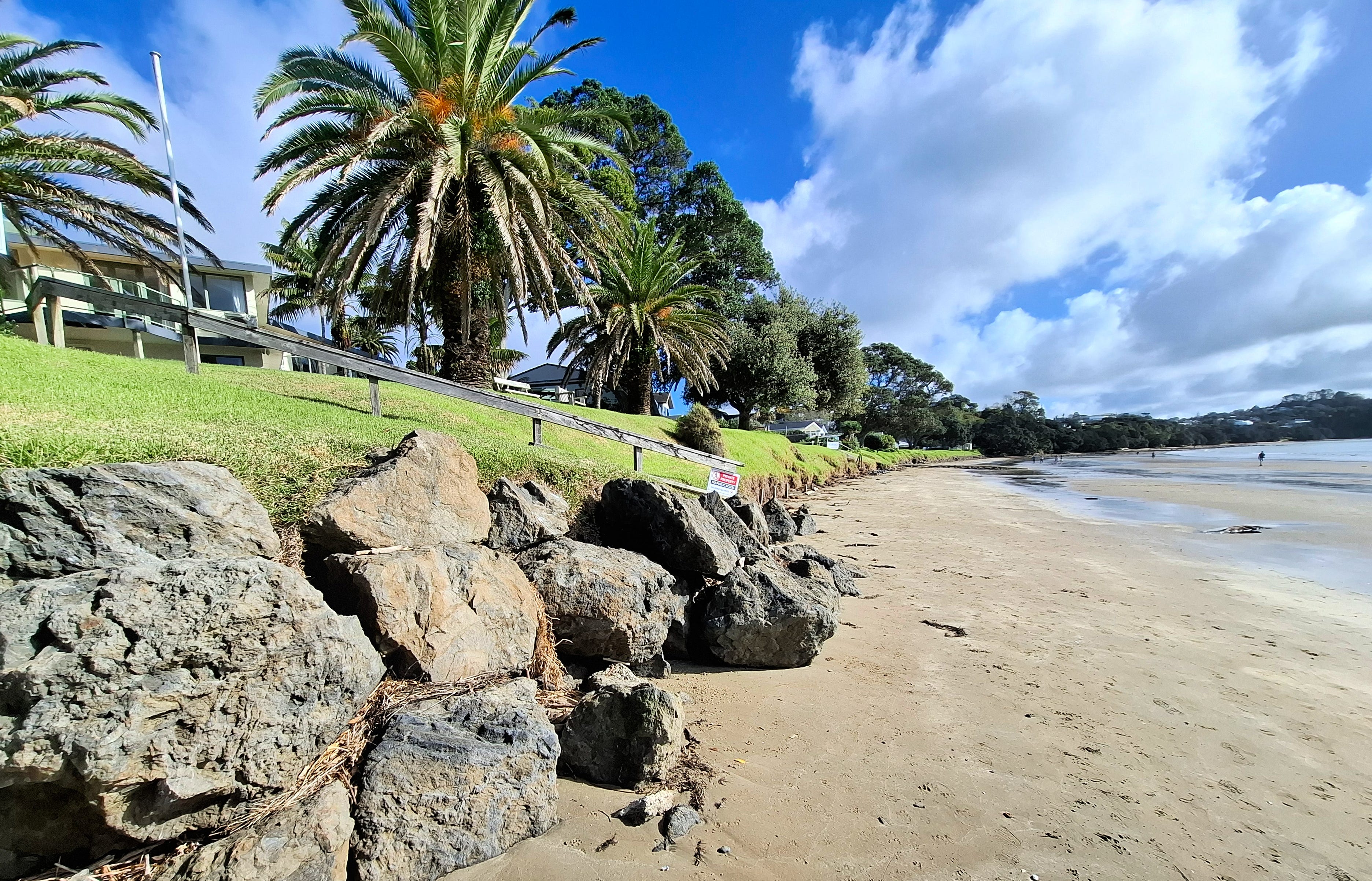
Across Aotearoa New Zealand, seawalls have become a familiar feature of our coastlines. From urban waterfronts to exposed beach settlements, hard coastal protection is often the most visible response to erosion and storm damage — providing reassurance to property owners and reducing immediate risk to homes and infrastructure.
In many locations, seawalls play an important role. Where development already exists close to the shoreline, hard protection can be a rational and necessary way to manage risk in the short to medium term. At places like Waihi Beach, parts of Auckland’s eastern bays, and sections of Wellington’s harbour edge, seawalls have helped limit erosion impacts and protect valuable assets behind them.
However, seawalls are not neutral interventions. By fixing the position of the shoreline, they change how waves, sediment, and beaches behave over time. In some settings, this can lead to beach narrowing, increased erosion at the ends of walls, or a gradual loss of natural buffering capacity in front of protected areas. These effects don’t always appear immediately — but they matter over decades, particularly as sea levels continue to rise.
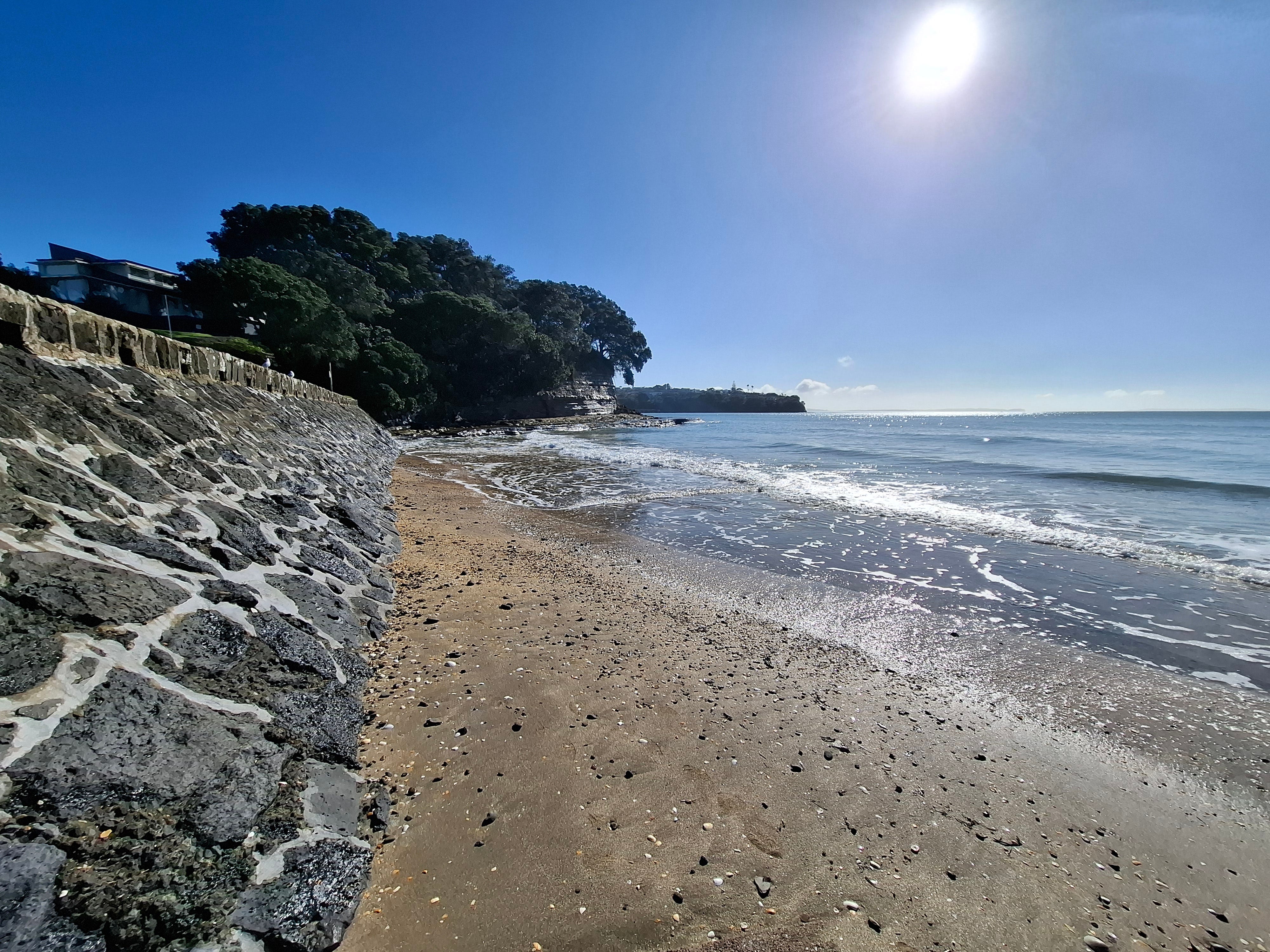
What makes this challenging is that decisions about seawalls are often made under pressure. After a damaging storm or during a consent process, the focus is understandably on reducing immediate risk. But without a clear long-term strategy, incremental hard protection can quietly lock communities into pathways that are costly, inflexible, and difficult to reverse later.
This is not a question of “seawalls or no seawalls.” It is about choosing the right response in the right place, at the right time — and understanding the long-term implications of that choice. In some areas, ongoing defence may be appropriate. In others, softer approaches such as dune restoration, beach nourishment, or managed adaptation may provide greater flexibility and resilience over time.
That is where coastal hazard assessments are critical. A well-prepared assessment looks beyond the structure itself and considers how erosion, inundation, storm response, and sea-level rise interact at a site. It helps clarify what risks a seawall can realistically manage — and which risks will continue to grow regardless.
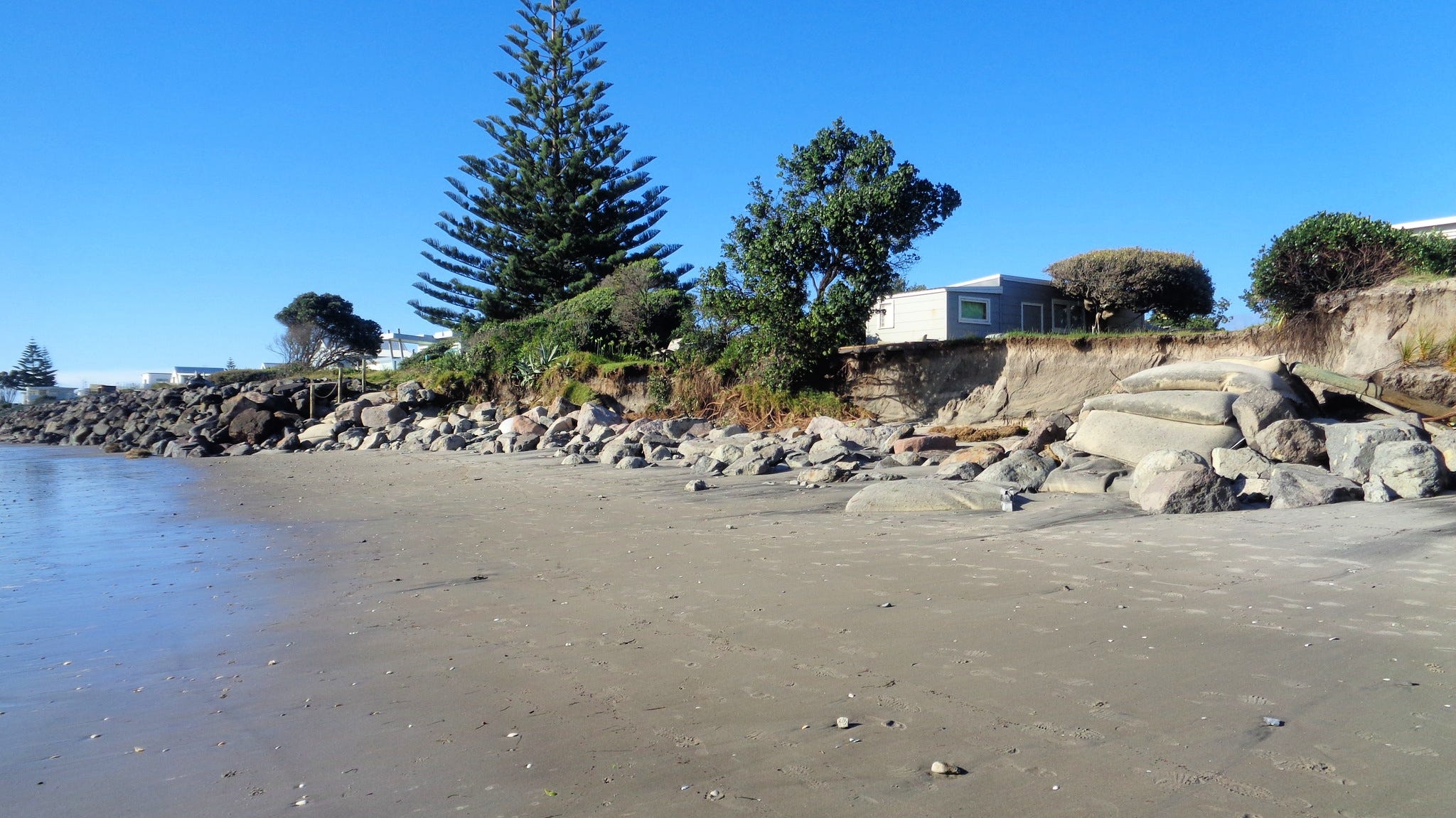
As New Zealand enters a period of more frequent coastal flooding, erosion, and extreme weather, the challenge is not just managing risk — but managing it wisely. Today’s protection decisions shape tomorrow’s coastlines. Making them with clear eyes, good science, and a long-term view is essential.
This is the approach I take at PdR Coastal — helping property owners, planners, and communities understand coastal risk, evaluate protection options, and make informed decisions that remain robust over time.
— Peter de Ruiter, Coastal Scientist & Consultant
PdR Coastal
Climate Change Is Reshaping Our Shorelines — Why Hazard Assessments Matter 🌊

In recent years, signs of coastal erosion and inundation have become increasingly clear — and they’re moving to the forefront of property and community planning in Aotearoa New Zealand.